An idea I'd had for years, taken all the way to Google Play: app, site, brand and backend. I designed it and directed the build, and the first time the whole product was mine.
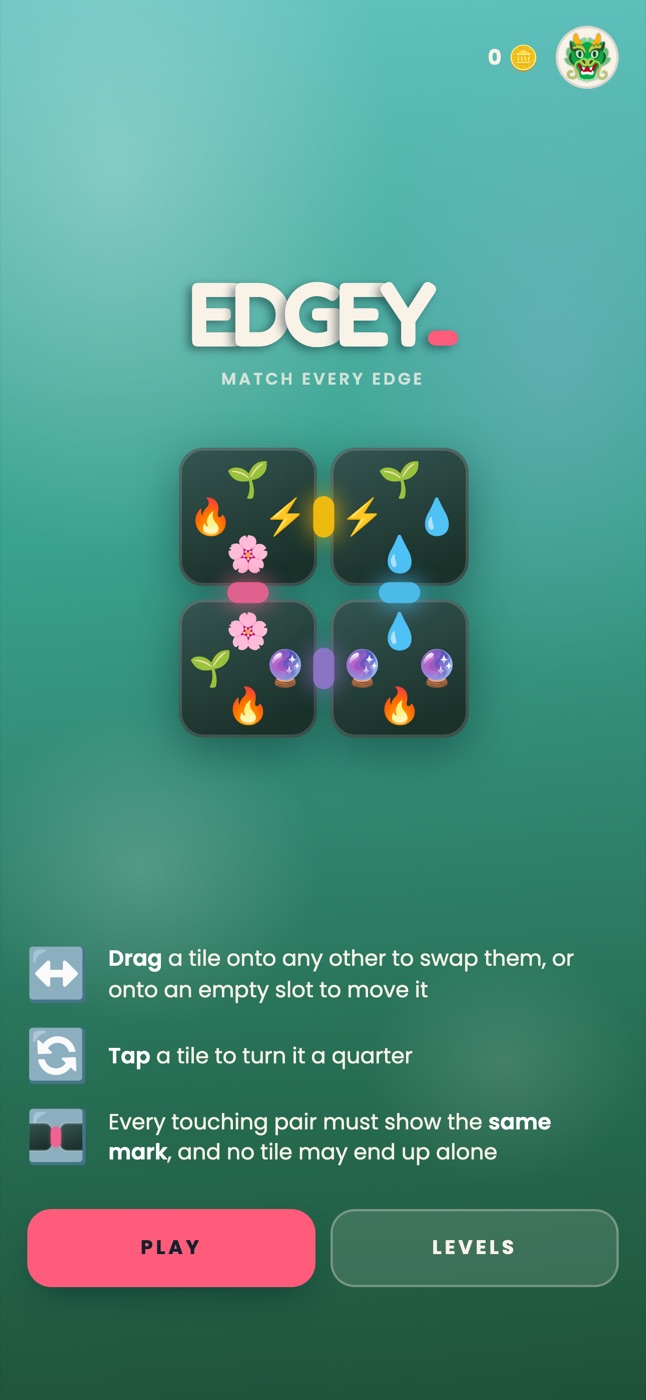
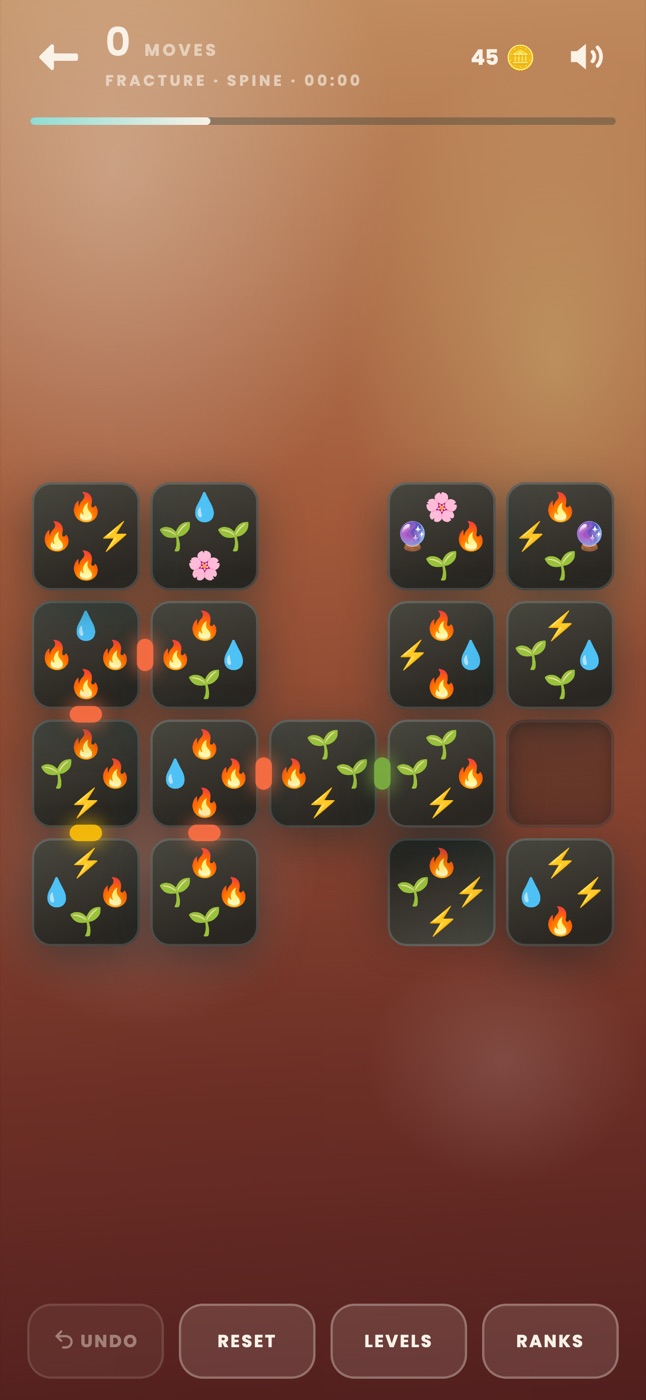
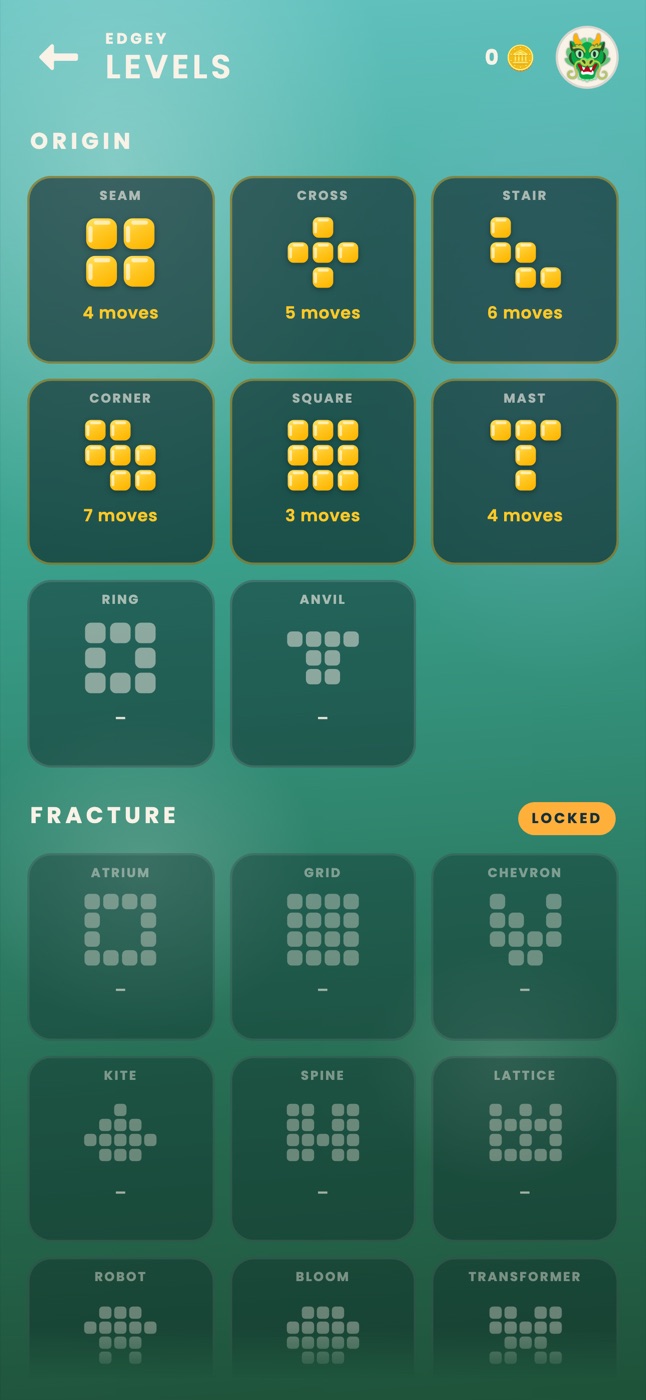
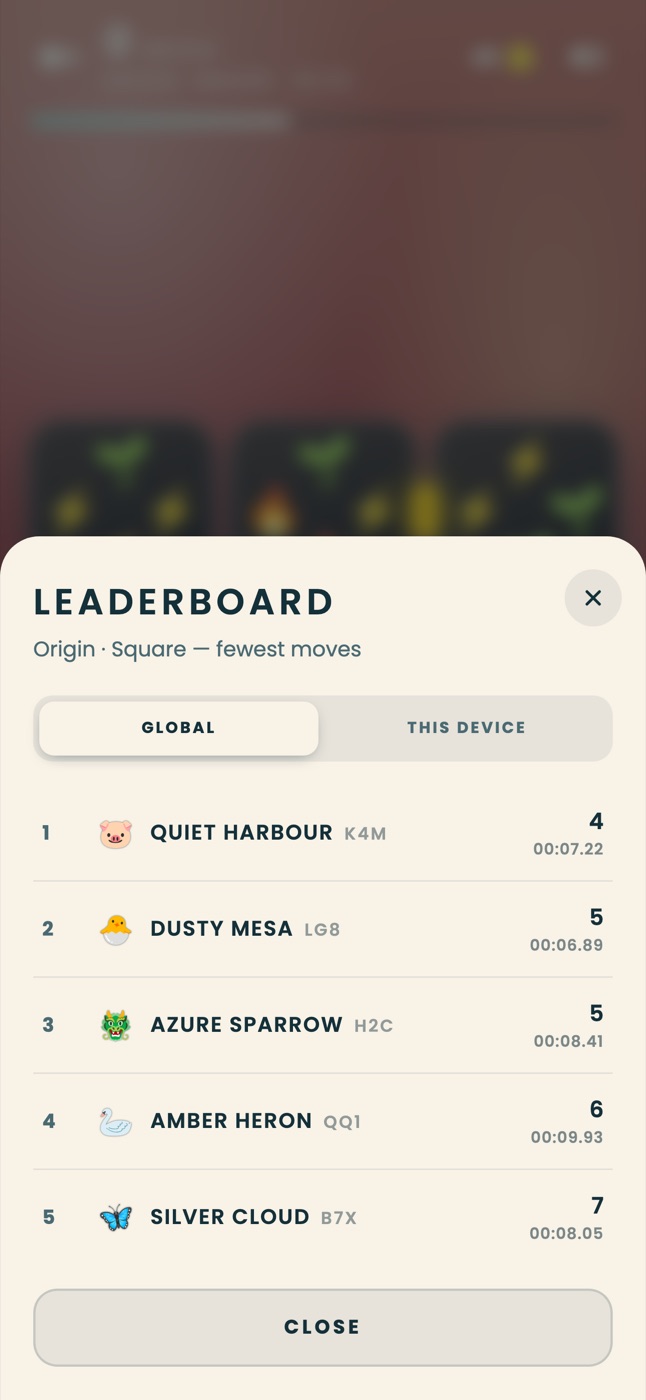
The question this time: when building takes a day, where does the design work go? Edgey, a puzzle game I'd wanted to make for years, was the test.
Built entirely by prompting. I didn't write a line of code or open an editor. Engine, backend, build tooling and site were all made in Claude Code by describing what I wanted and reviewing what came back.
Knowing which surfaces earn original work is most of what design judgement is when the whole build takes a day.
QA turned out to be the job. Anything I could write down as a rule got checked by machine, exhaustively: every board verified solvable, the check that stops fake scores reaching the leaderboard tested on every level rather than assumed to work. What was left needed someone to look at it: titles sitting 35px off-centre, store screenshots rendered at desktop width, a locked-level button that was dead on a slow connection. None of those came from reasoning about code.
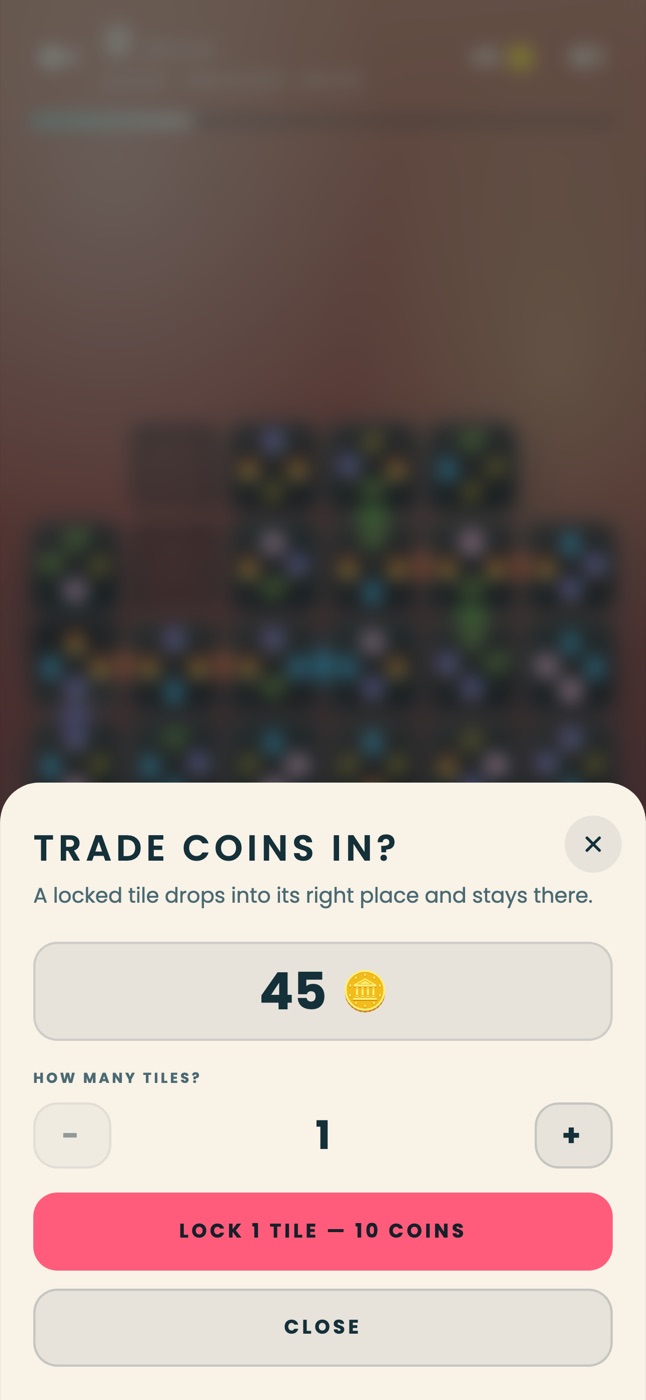
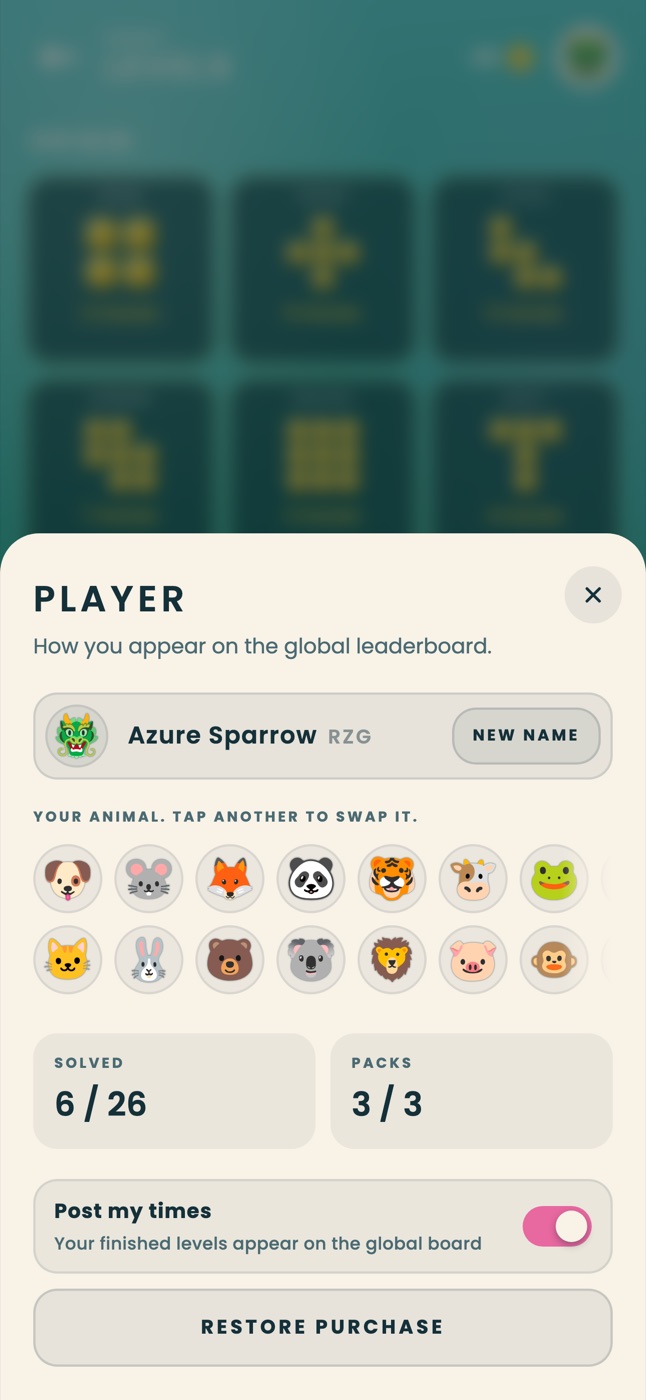
The concept and the design were mine. An edge-matching puzzle I'd written down years ago and never built: every tile carries four marks, every touching pair must agree. Tile marks, palette, icon, store screenshots. Whether you can tell at a glance that two edges match comes down to how the marks are drawn. That's design work, not code. The avatars and game icons are off-the-shelf emoji, deliberately. Knowing which surfaces earn original work is most of what design judgement is when the whole build takes a day.
App launcher iterations





Also
- Quick user testing: a few people played it, suggested a mechanic that made it into the game, broke a rule I hadn't thought through, and found bugs I'd have shipped. The fix for the broken rule was a better rule, not an exception
- Signing keys, and the setup inside my own Google Play and payments accounts, I handled myself, so nothing sensitive went through the model
- A web view inside a native shell, the same approach as a great many shipped apps. Worth saying rather than leaving someone to find out
Not yet. Live on Google Play, but the iPhone version is still in review with Apple.
Still on the list. Versioning and visual regression, from 21 September, are both untouched. They're the two that decide whether any of this holds up with other people rather than alone.
In one week: two design systems taken into code and Storybook, and a game submitted to the Play Store. The bottleneck has moved. It isn't building any more, it's knowing what's worth building and noticing when what came back is subtly not right. At £2.49 a copy, if it makes any money it'll pay for the coffee that built it.