An AI-native product and design system: a multi-brand e-commerce prototype, designed and built through prompts.
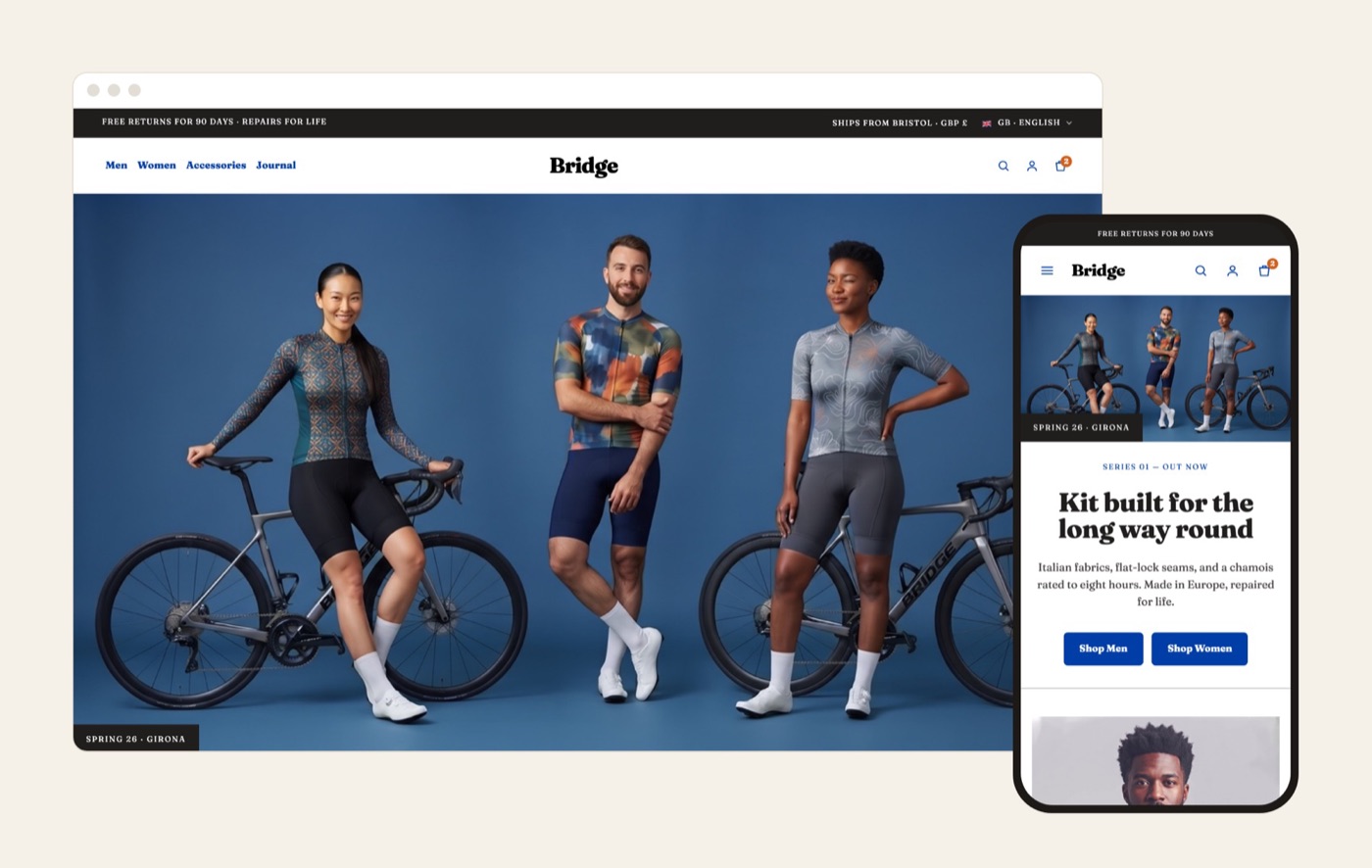
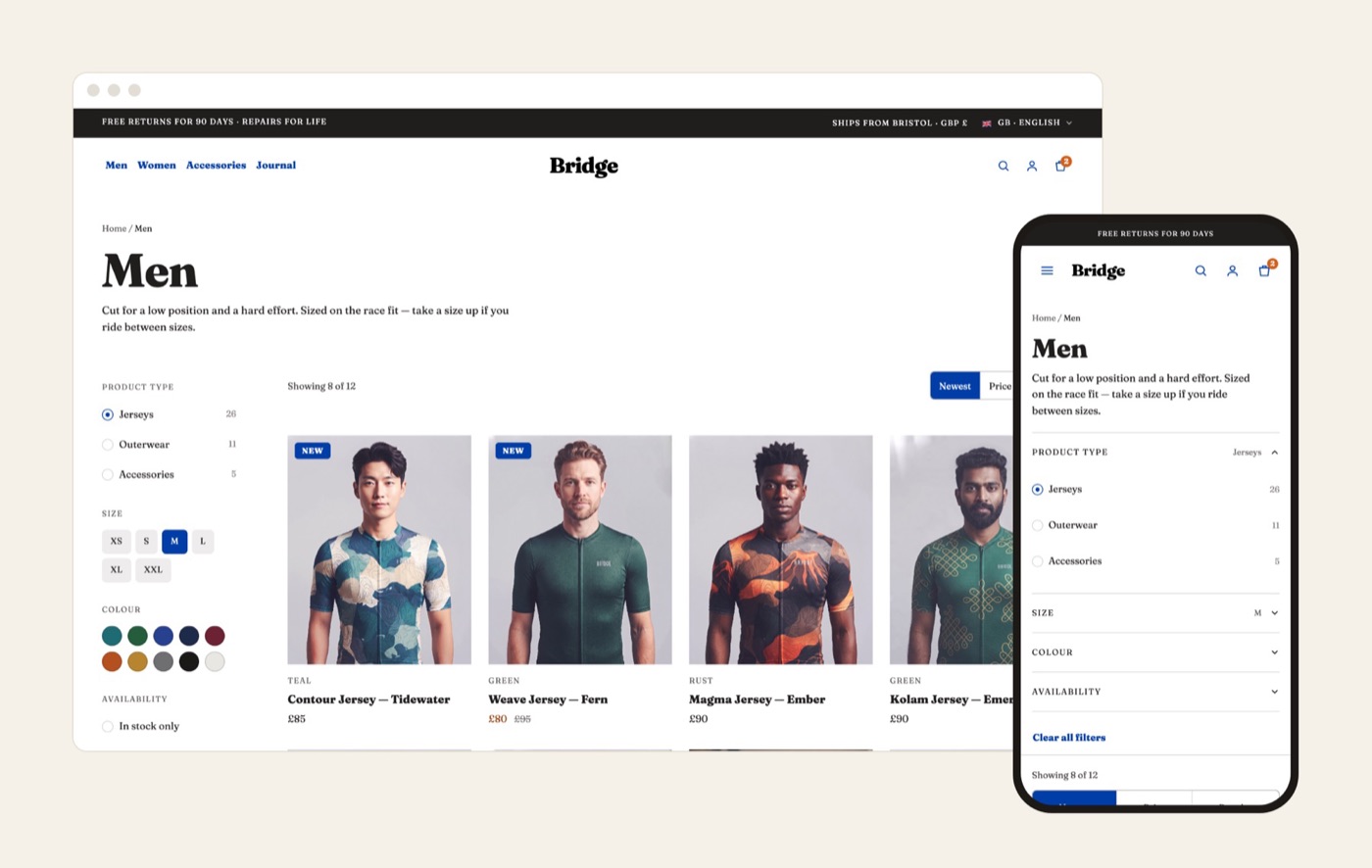
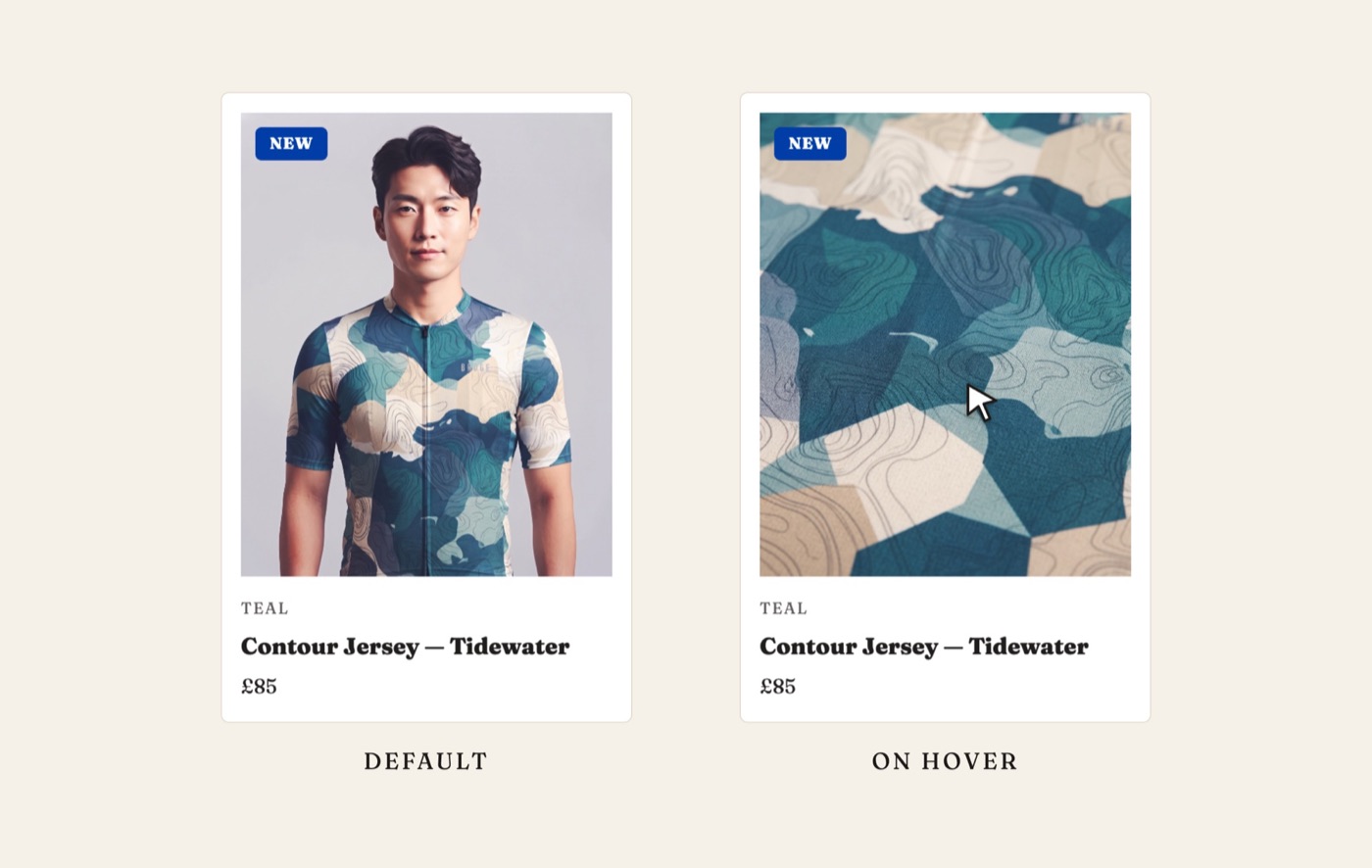
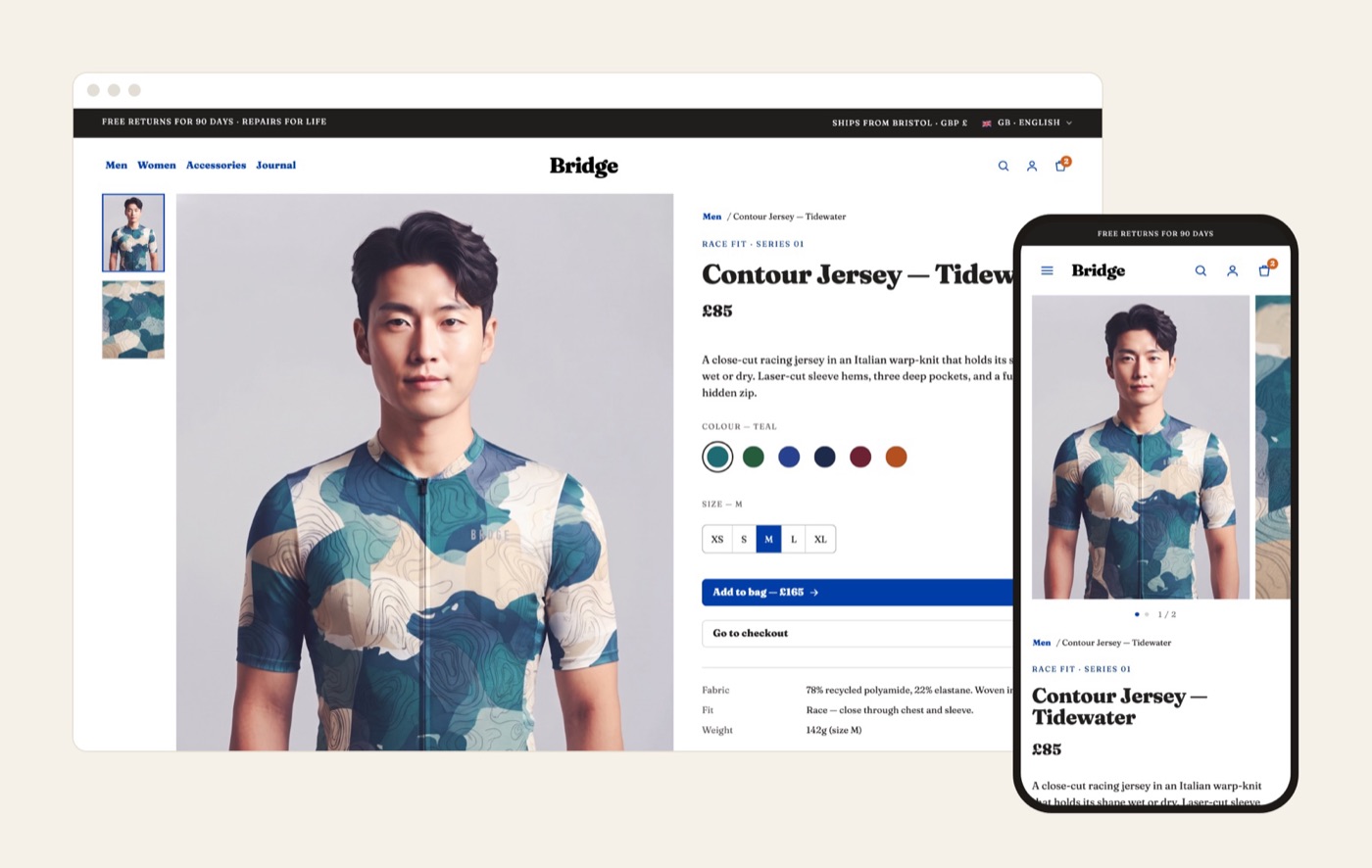
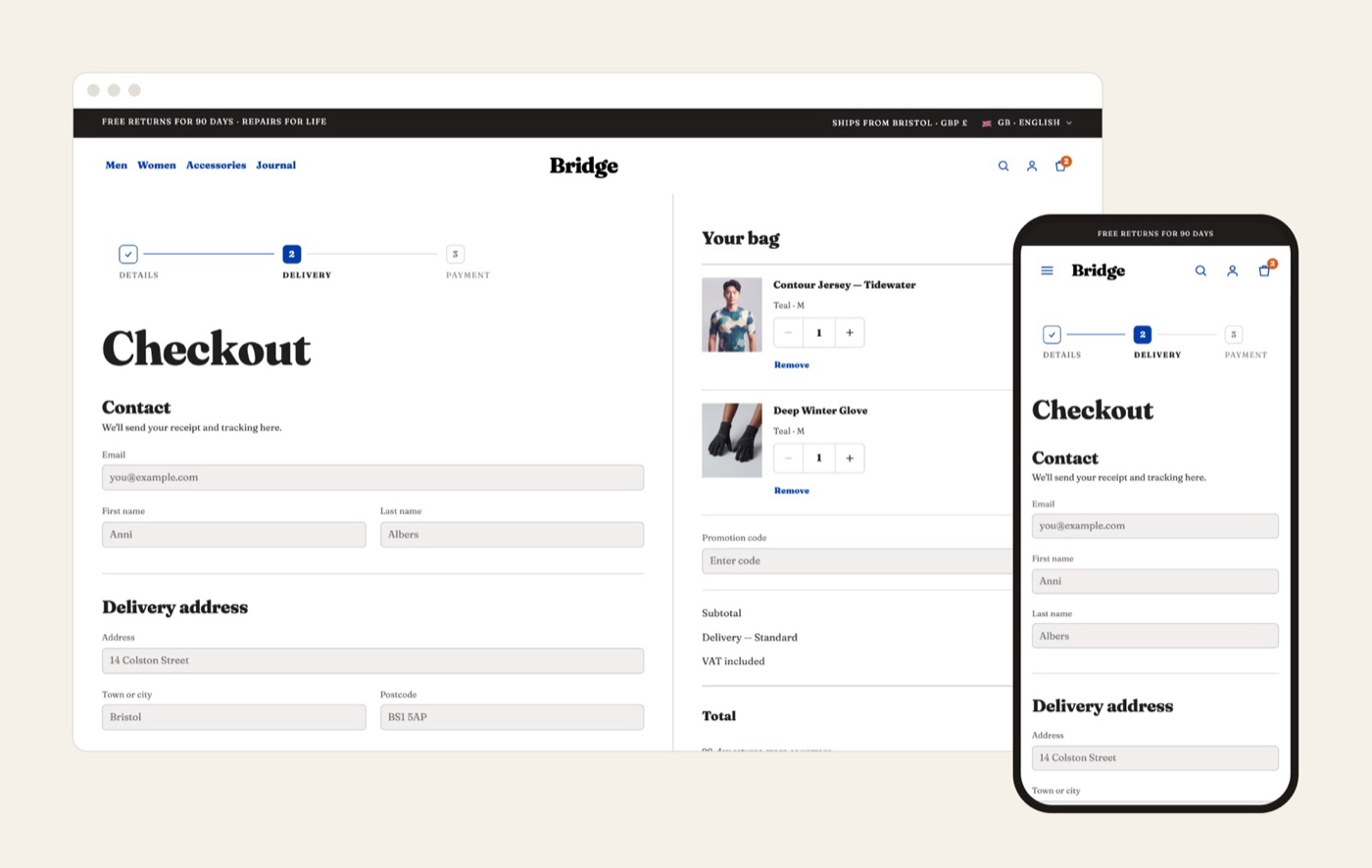
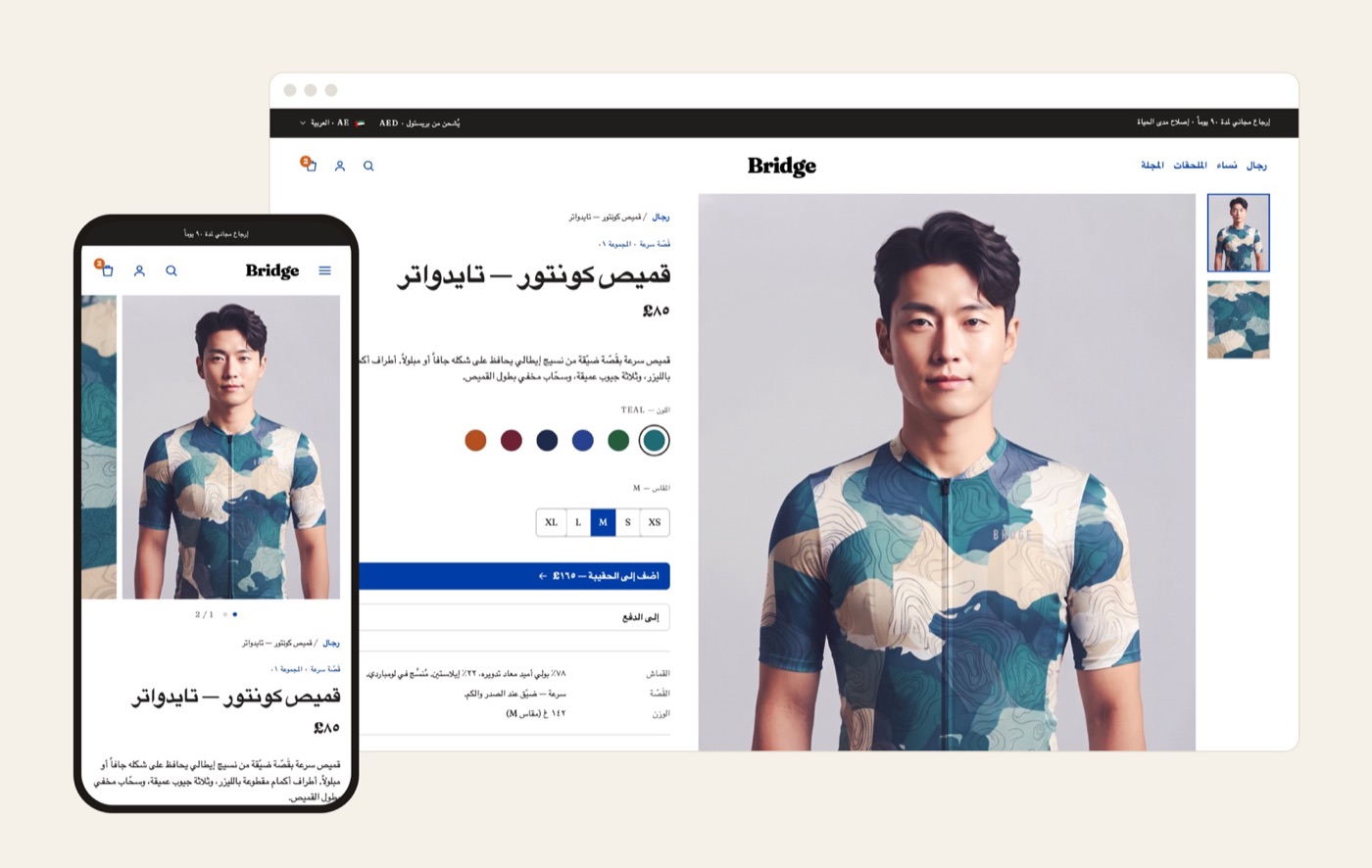
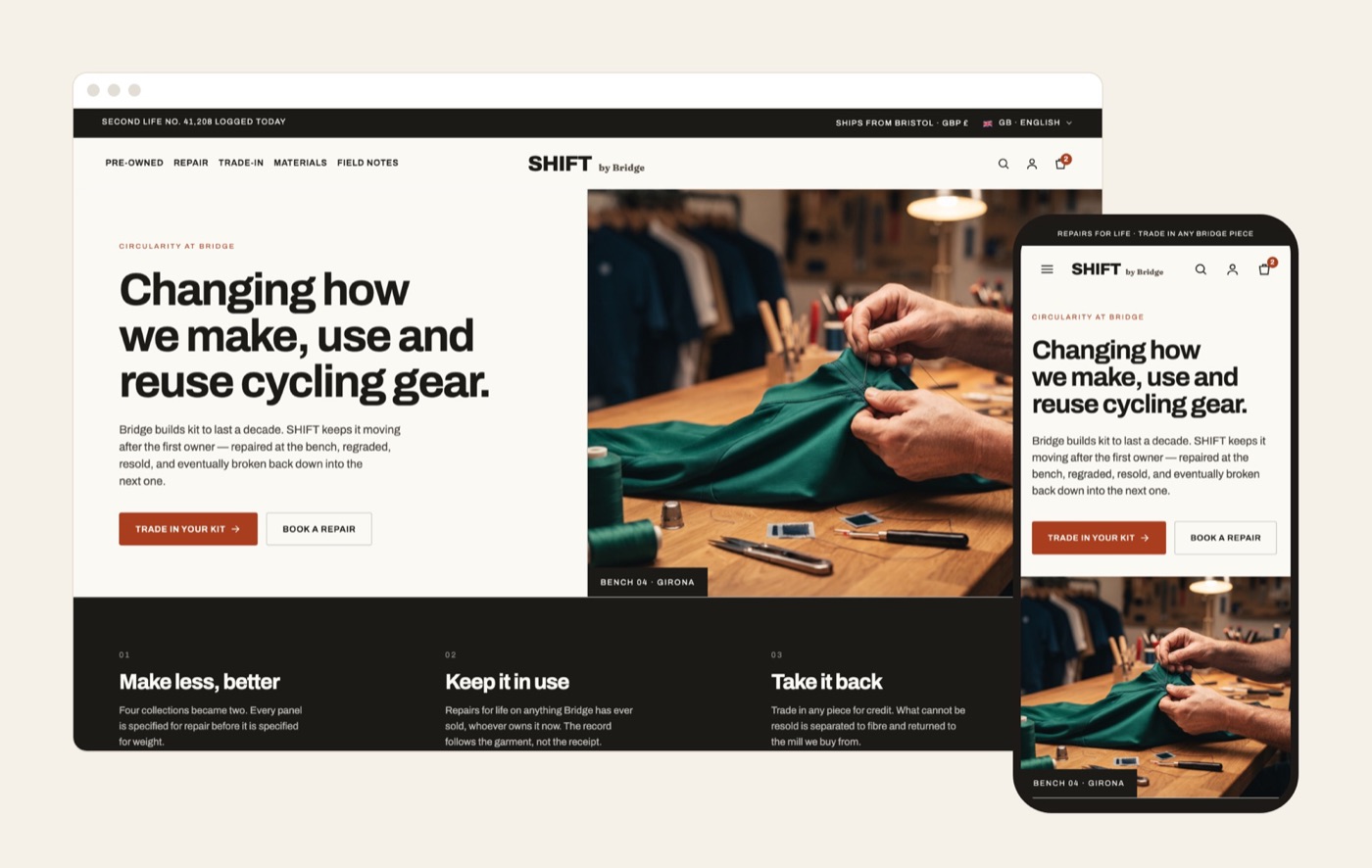
I've spent my career building systems and components that help digital products scale. I wanted to know how AI changes that, so I built a whole digital product through an AI-native workflow: designing and building primarily through prompts, using Claude Design as the working environment. No Figma. No handoff.
The result is a working multi-brand e-commerce prototype, built as a design artifact rather than code, and pushed live so anyone can click through it. The point was never to launch a shop; it was to find out how the product, the design system and the process change when AI becomes part of the system itself.
One system, two brands. The company is Bridge, a cycling clothing brand. A second brand, Shift, gives products a second life. They share foundations, components and templates; the visual expression changes and the foundations don't. Which is the question underneath the whole thing: how do you get consistency and scale without making every brand look the same?
What's built. Homepage, listing with filtering, product detail, search, account and sign-in, checkout, navigation and country selection, responsive layouts, two brand expressions, and localisation including right-to-left, plus an internal audit tool measuring component and block usage. The country selector goes further than currency: markets like Arabic need a different interface direction, not a translated one.
Also
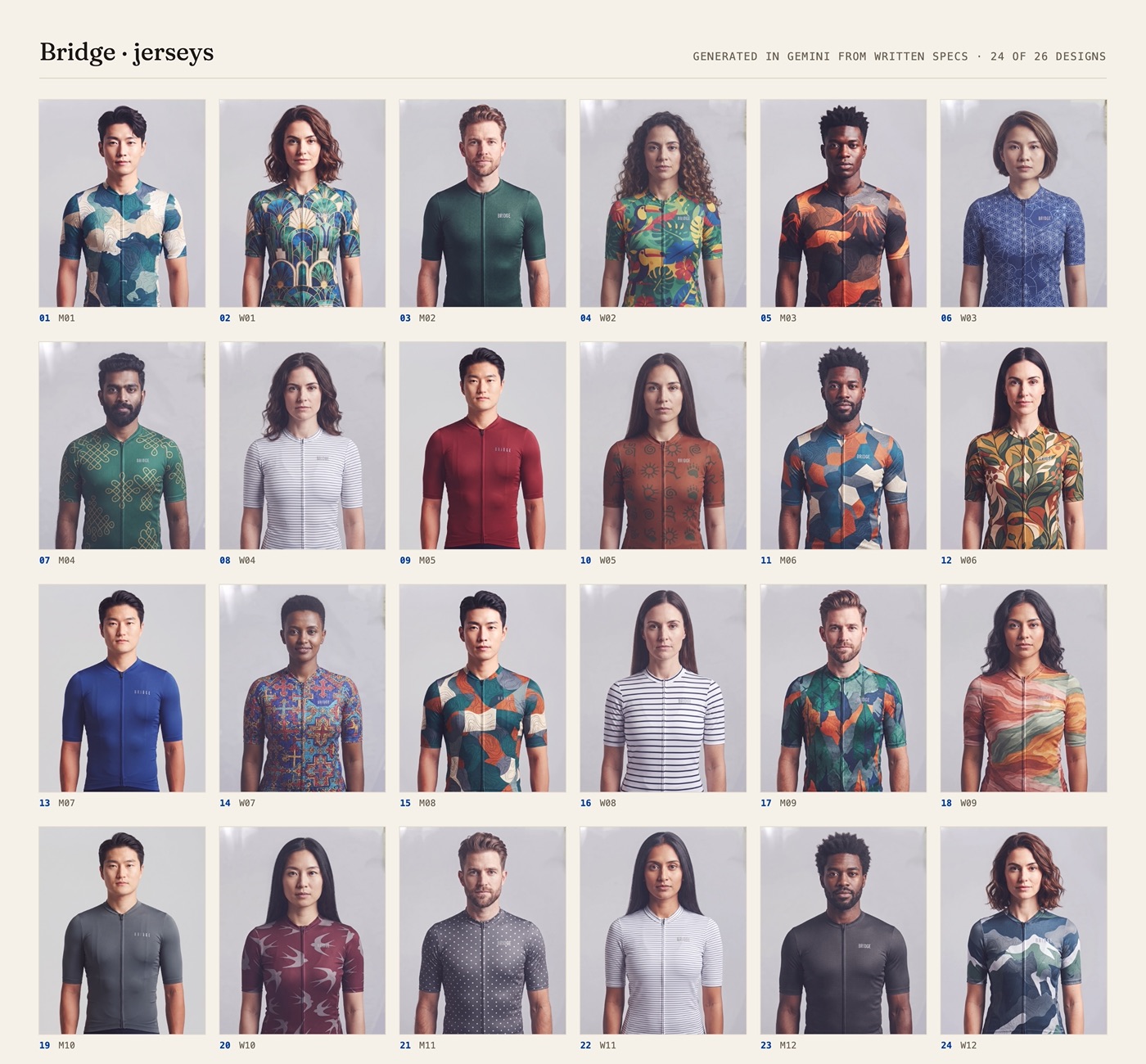
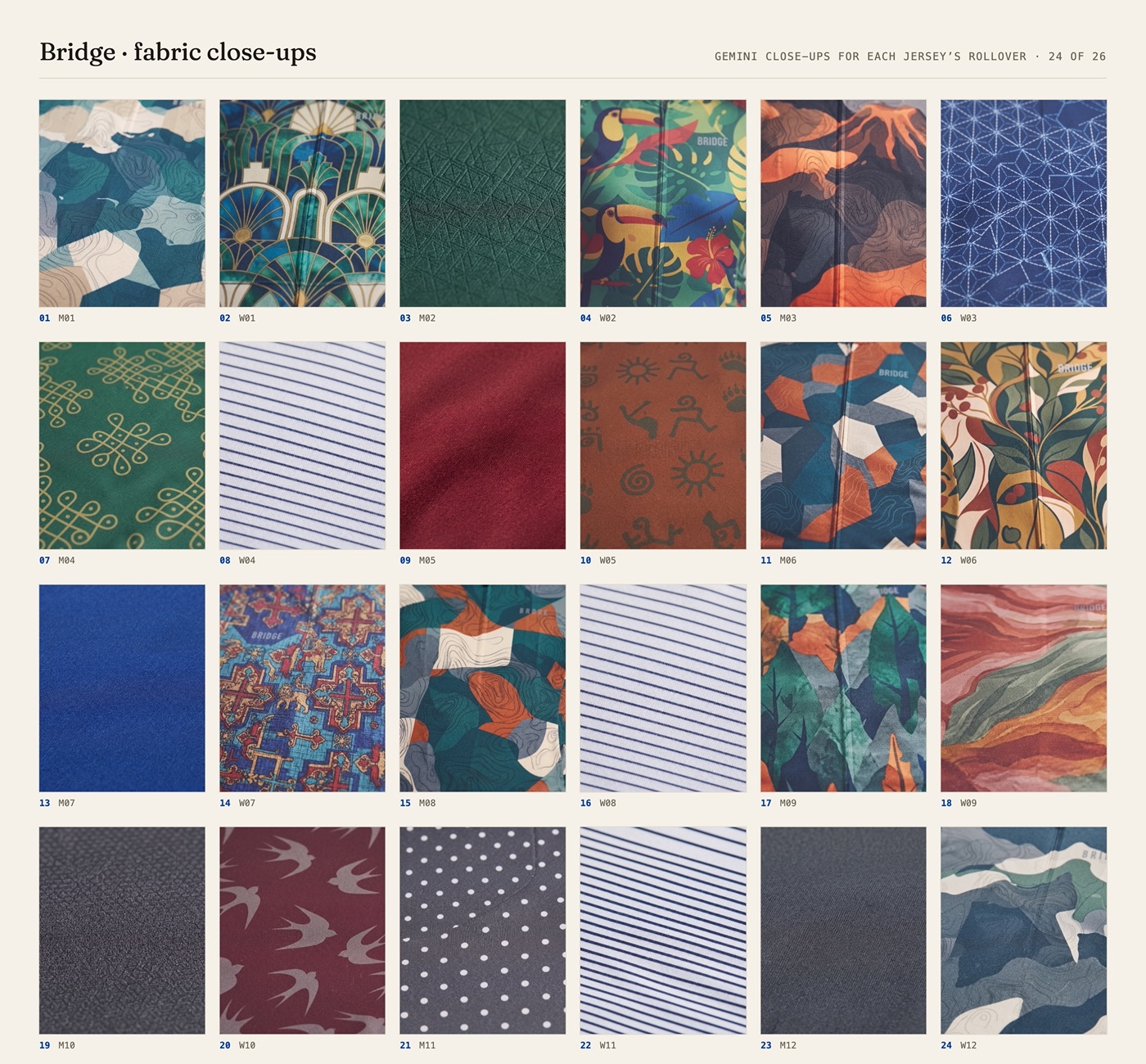
- Brand identities, visual direction and photography generated in Gemini from written asset specifications rather than made up on demand, which made it obvious that how assets are named, structured and referenced is part of the design system, not separate from it
- The handoff disappears: intent, design, code, review, iteration. Generation is not judgement, though: small changes ripple across components, and states, breakpoints and accessibility quietly break. Review becomes the part that matters
Still open. Solo is easy; real products have stakeholders. Who changes the foundations and who approves a component. What a market or a brand is allowed to modify. How you stop the system drifting as AI invents new patterns instead of reusing existing ones.
How do you get consistency and scale without making every brand look the same?